دکتر سید سجاد محمدی
دکتر سید سجاد محمدی، فوقتخصص جراحی پلاستیک، ترمیمی و زیبایی و دارای بورد فوقتخصصی جراحی پلاستیک هستند. حوزه فعالیت ایشان طیف گستردهای از جراحیهای زیبایی و ترمیمی صورت و بدن را شامل میشود؛ از جمله بلفاروپلاستی، رینوپلاستی، لیفت آندوسکوپیک پیشانی و ابرو، لیفت صورت و جراحیهای ترکیبی جوانسازی. رویکرد ایشان در جراحی بر بررسی دقیق آناتومی، تناسب اجزای صورت و انتخاب روش متناسب با ویژگیهای هر بیمار استوار است.

رویکرد دکتر سید سجاد محمدی در جراحی پلک
در ارزیابی دکتر سید سجاد محمدی، پلک بهعنوان ناحیهای مستقل از سایر اجزای صورت بررسی نمیشود. عواملی مانند موقعیت ابرو و پیشانی، میزان پوست و چربی اضافه پلک، تقارن دو طرف، فرم چشم و تناسب یکسوم فوقانی صورت میتوانند در برنامهریزی جراحی نقش داشته باشند.
ادامه مطلب ...
دکتر محمدحسین احسانی
دکتر محمدحسین احسانی مقدم از جراحان فعال در حوزه جراحی زیبایی و عمومی در ایران هستند. ایشان تحصیلات تخصصی خود را در دانشگاه علوم پزشکی شهید بهشتی تهران به پایان رسانده و پس از دریافت بورد تخصصی جراحی، در زمینه جراحیهای زیبایی و ترمیمی فعالیت میکنند. همچنین عضویت در انجمن جراحان پلاستیک آمریکا (ASPS) از سوابق حرفهای ایشان محسوب میشود.

رویکرد دکتر محمدحسین احسانی مقدم در جراحیهای زیبایی بر بررسی دقیق آناتومی و طراحی اختصاصی جراحی برای هر بیمار استوار است. در جراحی بلفاروپلاستی، علاوه بر میزان پوست و چربی اضافه پلک، عواملی مانند موقعیت ابرو، فرم چشم، عمق حدقه، تقارن دو طرف صورت و وضعیت کلی یکسوم فوقانی چهره نیز مورد توجه قرار میگیرند.
عمل زیبایی رینوپلاستی
رینوپلاستی یا جراحی زیبایی بینی، یکی از رایجترین روشهای جراحی برای تغییر فرم و ساختار بینی است. در این عمل، جراح با ایجاد تغییرات کنترلشده در استخوان، غضروف و بافتهای بینی تلاش میکند ظاهر بینی را با سایر اجزای صورت هماهنگتر کند. در برخی افراد نیز رینوپلاستی میتواند با هدف اصلاح مشکلات ساختاری و بهبود عملکرد تنفسی انجام شود.
نوع تغییرات موردنیاز به فرم اولیه بینی، ساختار استخوان و غضروف، وضعیت پوست و اهداف فرد بستگی دارد. بنابراین روش جراحی برای همه افراد یکسان نیست و پیش از عمل، معاینه و بررسی دقیق بینی اهمیت زیادی دارد.

رینوپلاستی چه تغییراتی در بینی ایجاد میکند؟
با توجه به شرایط هر فرد، ممکن است رینوپلاستی برای اصلاح یا تغییر موارد زیر انجام شود:
- تغییر اندازه بینی و ایجاد تناسب بیشتر با اجزای صورت
- اصلاح زاویه بینی با لب و صورت
- صاف کردن یا اصلاح پل بینی
- اصلاح فرم و اندازه نوک بینی
- اصلاح اندازه یا شکل سوراخهای بینی
- اصلاح افتادگی یا نامتناسب بودن نوک بینی
- برطرف کردن قوز، برآمدگی یا فرورفتگیهای بینی
- ایجاد تقارن بیشتر در بخشهای مختلف بینی
- اصلاح برخی مشکلات ساختاری که ممکن است بر تنفس تأثیر بگذارند
هدف از رینوپلاستی صرفاً کوچک کردن بینی نیست؛ بلکه جراحی باید به شکلی برنامهریزی شود که فرم بینی با ساختار کلی صورت هماهنگ باشد و در صورت وجود مشکل عملکردی، وضعیت تنفس نیز مورد توجه قرار گیرد.
رینوپلاستی برای چه افرادی مناسب است؟
کاندیدای مناسب رینوپلاستی باید پس از معاینه توسط جراح مشخص شود. عواملی مانند وضعیت استخوان و غضروف، ضخامت پوست، فرم بینی، مشکلات تنفسی و انتظارات فرد در تصمیمگیری برای جراحی نقش دارند.
همچنین داشتن انتظارات واقعبینانه اهمیت زیادی دارد. رینوپلاستی میتواند تغییر قابلتوجهی در فرم بینی ایجاد کند، اما نتیجه نهایی باید متناسب با ویژگیهای چهره و محدودیتهای ساختاری بینی طراحی شود.
Engine Oil: Types, Benefits, and Additives
Engine oil is a crucial component for the proper operation and longevity of a vehicle's engine. It performs several essential functions, including lubricating moving parts, dissipating heat, cleaning engine components, and protecting against wear and corrosion.
In this comprehensive guide, we will explore the different types of engine oil, their benefits, and the role of additives in improving engine performance. Whether you are a car enthusiast or an everyday driver, understanding engine oil can help you maintain your vehicle's performance and extend its service life.
What Is Engine Oil?
Engine oil, also known as motor oil, is a lubricant designed for use in internal combustion engines. Its primary function is to reduce friction between moving engine components by forming a protective film that prevents direct metal-to-metal contact.
In addition to lubrication, engine oil performs several other important functions. It helps dissipate heat from engine components, keeps internal parts clean by carrying dirt and contaminants to the oil filter, and protects metal surfaces against rust and corrosion.

Types of Engine Oil
There are several types of engine oil, each with its own characteristics, advantages, and applications. The most common types include:
1. Mineral Oil
Mineral oil is produced from refined crude oil and is generally suitable for older engines or vehicles with relatively low performance requirements. It provides adequate lubrication and protection under normal operating conditions but typically requires more frequent oil changes than synthetic oil.
2. Synthetic Oil
Synthetic oil is chemically engineered to provide enhanced performance and protection. It offers excellent viscosity stability, reduces friction, and performs well under both high and low temperatures.
Synthetic oil is particularly suitable for modern and high-performance engines. Depending on the vehicle manufacturer's specifications, it can also provide longer oil-change intervals compared with conventional mineral oil.
3. Semi-Synthetic Oil
Semi-synthetic oil, also known as synthetic-blend oil, is a combination of mineral and synthetic base oils. It offers a balance between performance, protection, and cost.
Compared with conventional mineral oil, semi-synthetic oil generally provides improved protection and performance while remaining more affordable than full synthetic oil.
What Is the Purpose of Additives Used in Motor Oil?
Although engine oil provides essential lubrication and protection, manufacturers add various chemical additives to improve its performance, stability, and service life. Each additive performs a specific function and helps maintain engine cleanliness and protection under different operating conditions.
Oxidation Inhibitors
Oxidation inhibitor additives slow down the oxidation of engine oil caused by exposure to heat and oxygen. By reducing oxidation, they help extend the oil's service life and maintain its lubricating properties.
Detergent Additives
Detergent additives help keep engine surfaces clean by reducing the accumulation of deposits, sludge, and other contaminants. They play an important role in maintaining engine cleanliness during operation.
Dispersant Additives
Dispersant additives keep contaminants and microscopic particles suspended in the oil, preventing them from accumulating on engine components. These contaminants can then be captured by the oil filter or removed when the oil is changed.
Anti-Foam Additives
Anti-foam additives reduce the formation of foam and air bubbles in engine oil. Excessive foaming can interfere with proper lubrication, so controlling foam helps maintain a consistent oil film throughout the engine.
Anti-Wear Additives
Anti-wear additives help protect engine components from excessive friction and wear, particularly during engine startup and other demanding operating conditions. They form a protective layer on metal surfaces, reducing direct contact between moving parts.
Corrosion Inhibitors
Corrosion inhibitor additives protect metal engine components from corrosion caused by moisture, acids, and other corrosive substances. They help maintain the integrity and service life of internal engine components.
Viscosity Index Improvers
Viscosity index improvers help engine oil maintain more consistent viscosity across a wide range of temperatures. They improve the oil's ability to flow at low temperatures while maintaining adequate thickness at higher operating temperatures.
Pour-Point Depressants
Pour-point depressants improve the low-temperature flow properties of engine oil. They help prevent the oil from becoming excessively thick
in cold conditions, allowing it to circulate more easily during cold starts and providing faster lubrication to engine components.
What Is Slack Wax and What Is It Used For
What is slack wax, and what is it used for? This is one of the most frequently asked questions among customers and businesses working with petroleum and chemical products. In general, the chemical and industrial materials industry offers a wide range of products that can be used for different applications.
Slack wax is one of the most important petroleum-based materials used in various industrial applications. In addition to its useful chemical properties, it can be used as a raw material in the production of a wide range of products. Different grades of slack wax are used in applications such as insulation, waterproofing, and the production of paraffin wax.
In this article, we will discuss slack wax color, its properties, production process, and applications. Read on to learn more.
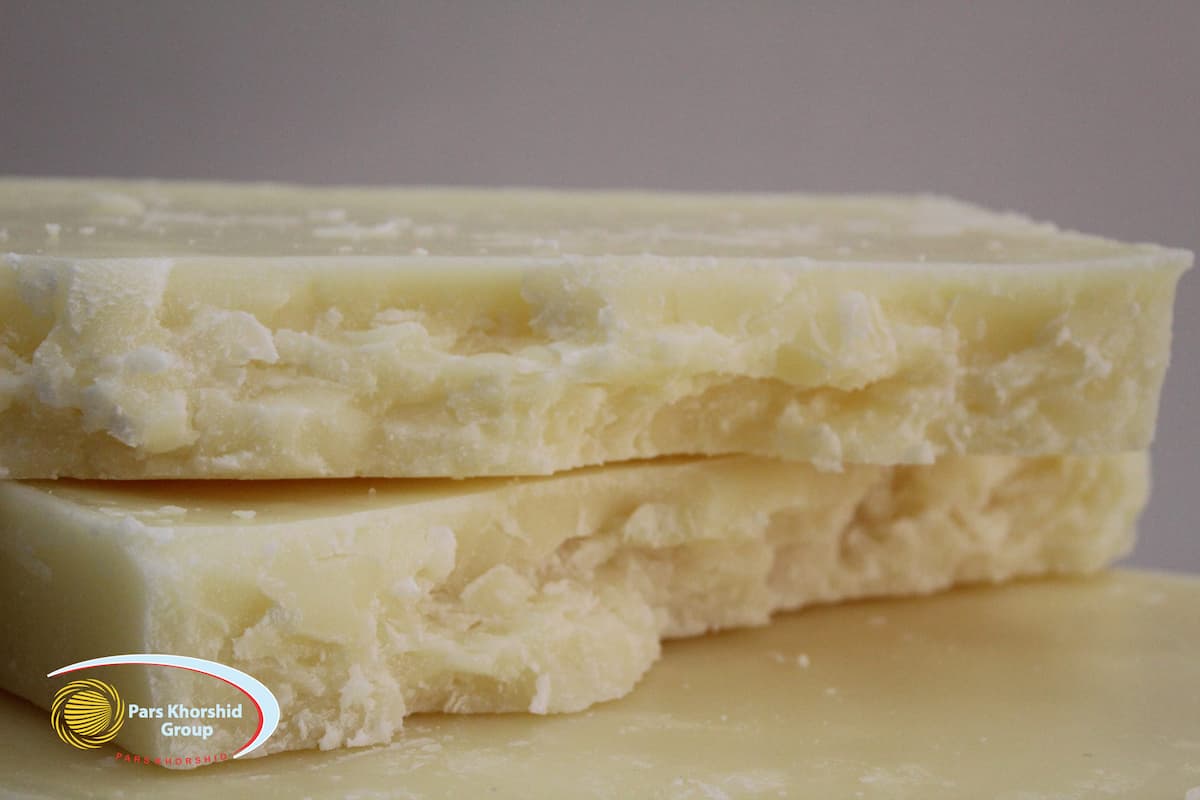
What Is Slack Wax?
Slack wax is a mixture of oil and wax and is a by-product of the petroleum refining process. It is primarily obtained during the refining of crude oil and contains varying amounts of oil, typically ranging from approximately 5% to 30%, depending on the grade and refining process.
During the production process, solvent extraction is used to remove aromatic compounds from the feedstock and produce a refined raffinate. The raffinate is then diluted with a solvent such as methyl ethyl ketone (MEK) to reduce its viscosity and facilitate wax separation at low temperatures.
The diluted oil is cooled to temperatures of approximately -10°C to -20°C, causing wax crystals to form. These crystals are then separated from the oil through a filtration process. The resulting material is known as slack wax and is typically yellow or brown in color.
Slack wax is an important raw material for the production of paraffin wax. It can be further processed through deoiling and bleaching to reduce its oil content, improve its color, and produce higher-quality paraffin wax.
Slack Wax Production and Characteristics
In the past, slack wax was often considered a low-value by-product of petroleum refineries. However, it is now commercially valuable and is widely traded in international markets.
Depending on the refining process and its physical properties, slack wax can generally be classified as light or heavy slack wax. One of the most important factors determining its quality is its oil content.
Heavy slack wax generally has a higher melting point than light slack wax. Depending on the grade, its oil content may be around 7%, 10%, 15%, or other specified levels.
The color of light slack wax is generally lighter than that of heavy slack wax. Light grades may have a melting point of approximately 55–57°C,
although the exact melting point varies depending on the product grade and refining process.